Ses Salines
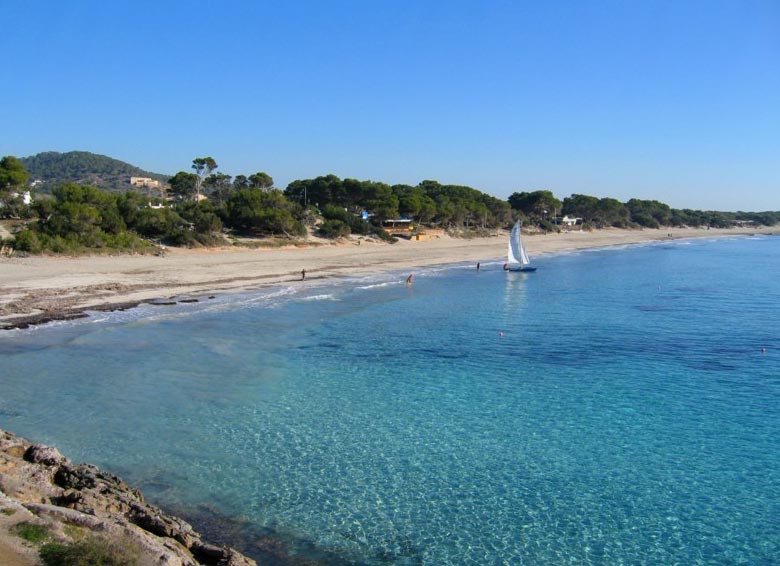
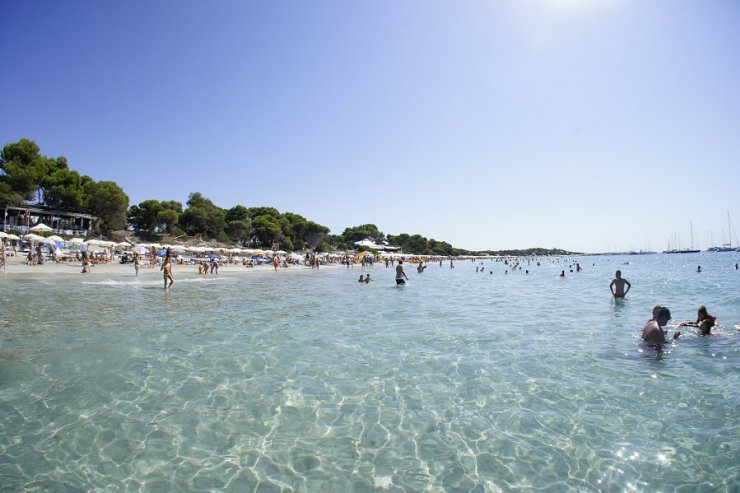
Descriptionplace
The first who called attention to such riches were the Phoenicians. They noticed that in the flat southern part of the sea water gets on the hot stones and crystallized, and the clay soil of this part of Ibiza, you can arrange a great production. Next islanders actively used of the achievements of Phoenicians, but especially successful in this were Moors.
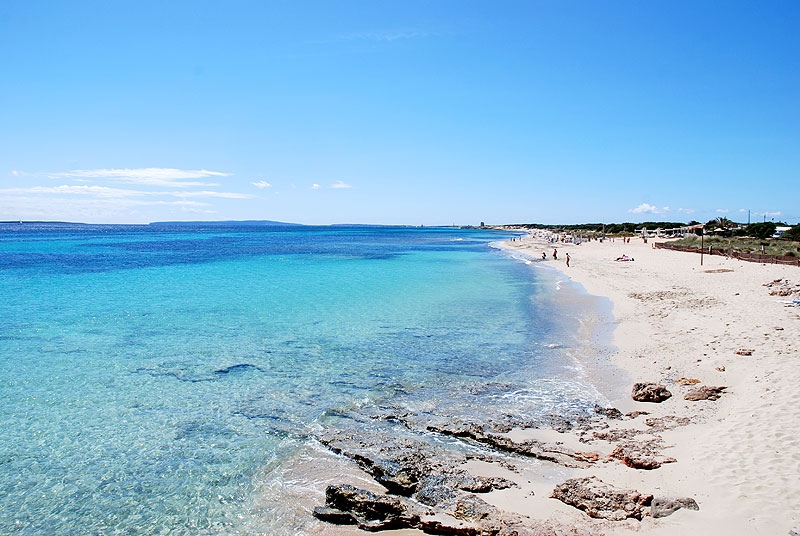
They have created a unique hydraulic technology, some of which are used nowdays. For salt production were equipped special salt pans Las Salinas, located at a distance of one thousand acres, stretching from the western Playa Codolar to Southeast Playa De’n Bossa and Es Cavallet. Water from the sea there come through the stone aqueducts by pumps. During the rains the lakes are filling but it does not prevent the crystallization of salt. According to the calculations for the three months in the hot Spanish sun evaporates 2500 cubic meters of water, leaving only 10 sm pink-and-white crust of salt powder. Pink – because rains brought here from Africa particles of red earth. Salt is collecting in huge mountains and the tractors are transporting it to a place called La Canal, from which salt exports around the world.
Now La Canal left many interesting colonial buildings, and also there saved the infrastructure of salt loading to the ship.
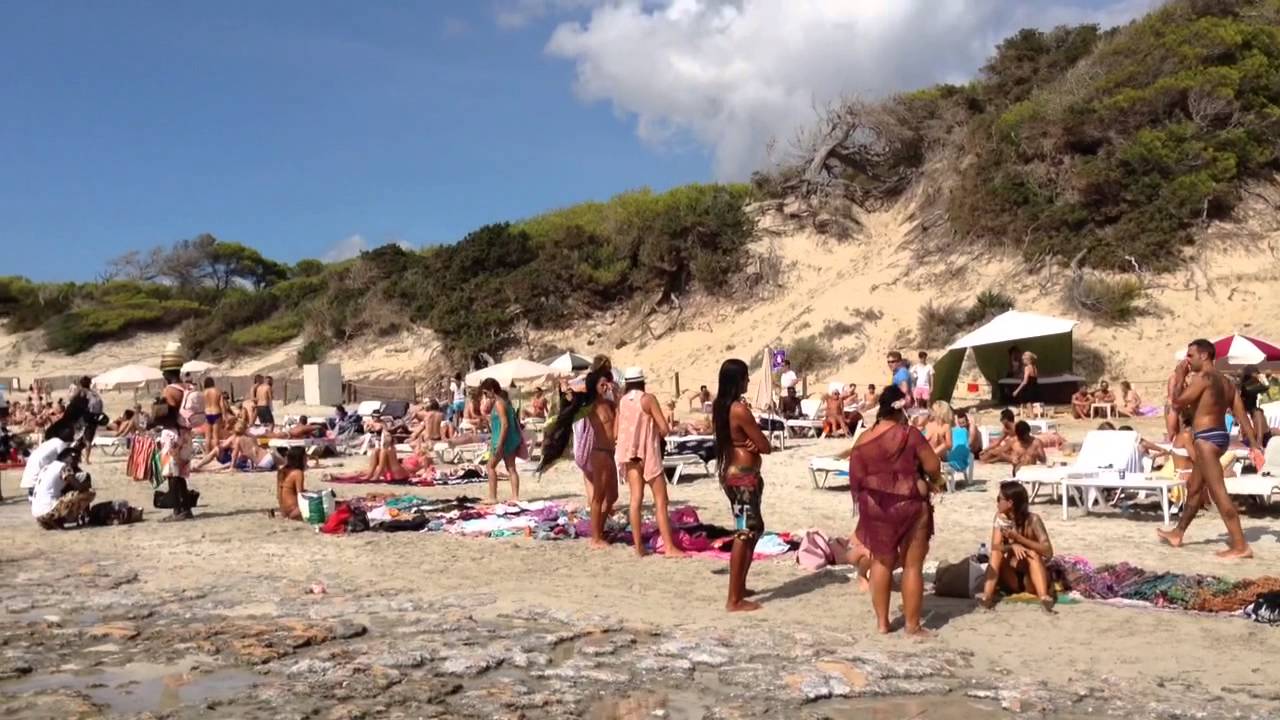
Today Ibiza annually supply 70,000 tons of salt. And before the „white gold“ was the main source of household income that went to strengthen the fortifications, weapons and food supplies. Salt transported on a small, single on the island, locomotive, rails of which still remained in the vicinity of the beach Ses Salines.
In addition, Ibiza’s Las Salinas, and similar salt lakes Estany des Peix Estany Pudent on the island of Formentera have honorary status of natural reserves. For over 20 years the party of „greens“ fought with politicians and greedy owners of construction companies about these protected areas, and won. Lakes are, among other things, the most important basis for the migration of migratory birds. Here they stop on their way from Africa. Frequent visitors here are storks, herons and flamingos. For flamingos, the lakes are a special place. Here they turn pink! The fact is that while birds are on Ibiza they are eating microorganisms living in salt lakes. Along with this dish they absorb pieces of red African ground, so their plumage becomes more pink. Ibiza’s salt is extremely useful. Its extracts in a natural way, without adding any foreign matter. They do not contain impurities and additives. Only sometimes interferes put there chili for flavor or dried flowers to make aromatic baths more soft. In fact, the salt of Ibiza – it’s a useful piece of the sea, which you can take home in a nice jar.
How to getthere
Places we recomend